Brittany

Musicians' Diary

Staying Within The Circle…


Brittany is well know among folk lovers to have a great variety of traditional dances. And indeed, they are quite a variety of those dances. Although most of them have specific names nowadays, some decades ago they would mostly be referred to as “circle dance”. Mostly “Dañs Tro” (for all the variations on the gavotte) and “An-Dro” (in the Vannes area). Because of Breton grammar, Tro and Dro are indeed the same word, first letter change is a typical marker of Celtic languages. But they mean “circle”. And every area would mostly only dance one kind of dance. Their dance. The one from their community, or we could even say, the one that would make them belong to their community.

Round Breton Dance – Image source: http://goo.gl/tPEIeb

In our area, we mostly dance gavotte. In remote villages, there is no problem playing 2 complete sets of gavotte in a row (a complete set is about 15, 20 min). We almost consider that other dances, from other parts of the province are more like… fun! We like them, we like to dance them, we enjoy them. We even try to play them. But gavotte is ours. It is part of who we are. 

I always had the feeling that dancing was and still is for some people more than a show, or something to be good at. It is just something to get together. To feel you are united. To feel you are part of “that” circle. This is what Within the Circle is about.

.

Within the Circle, you don’t look outside, you’re not there to show off. You can just be yourself.

§ Simone

Music

What the hell is the time signature ?


We have already been talking about rhythm, here for example. Let’s go further with rhythm with this song sample that Simone quickly recorded a couple of days ago :

According to me, most parts time signature is 5/8. But what about the middle part ? Any suggestion would be warmly welcome ! You can also here Simone clapping her hands, this might be the right clue to find the answer !

§Yann

Album Songs and Lyrics

O soñjal


1 Comment

[ lyrics, translation & facts for the 8th song from our album >here< ]

This particular song – and in a way it is funny that it will happen to be the last one I’m translating – might be the true origin of Astrakan Project.
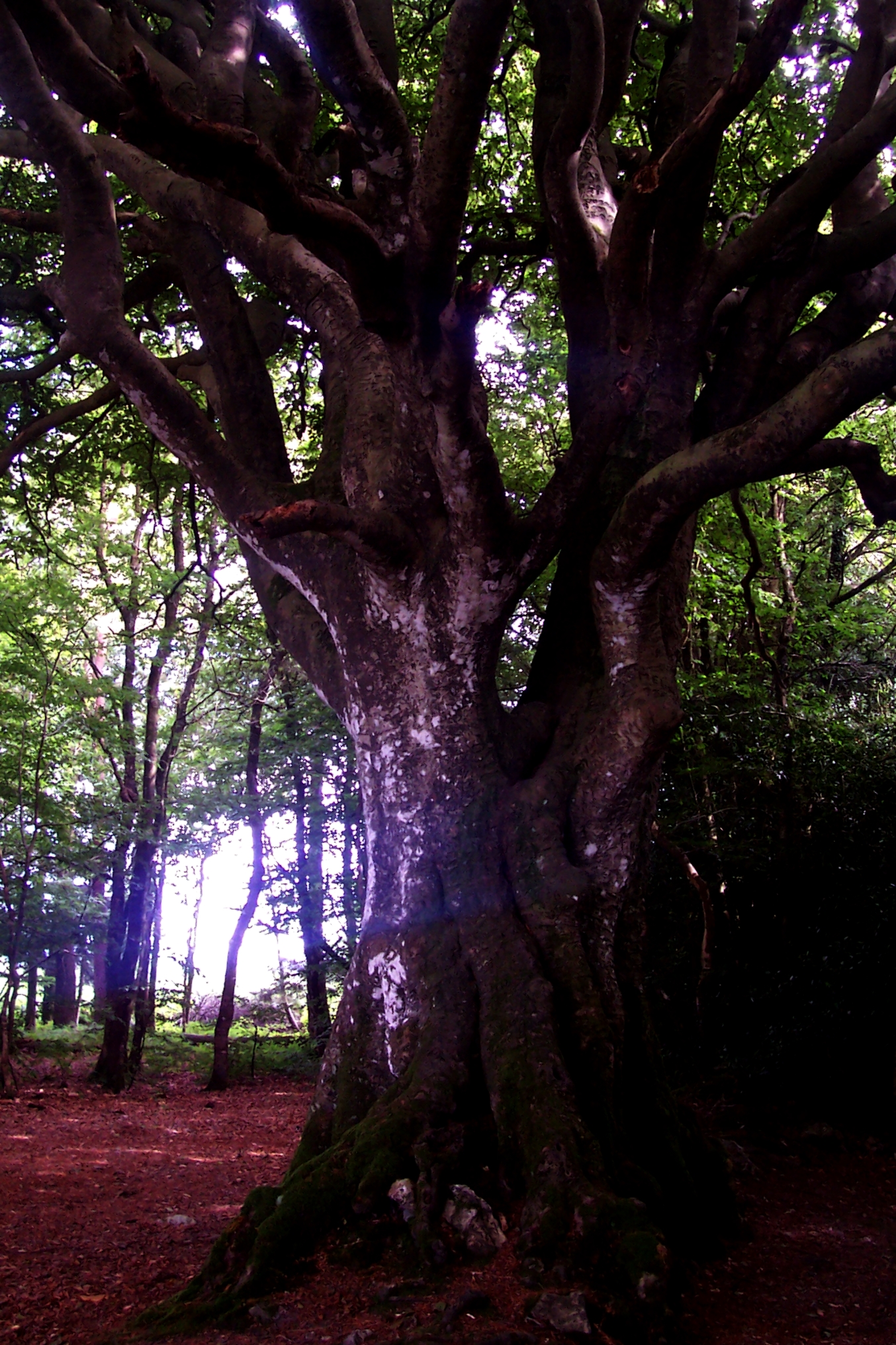
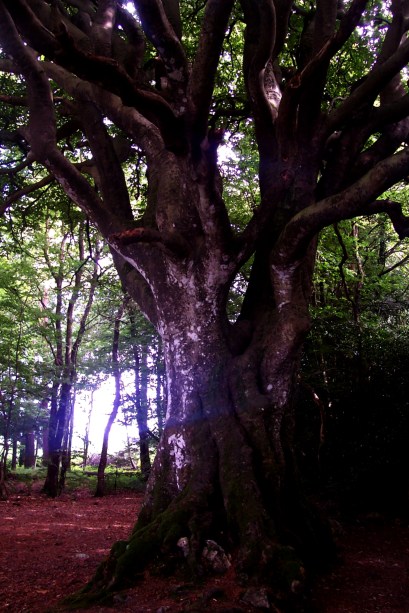
Magic Tree in Saint Servais Brittany

Back to 2007, we were both living in Brittany and playing in various bands, among which in a fest-noz band – basically… Breton dancing music ! Yann started to record parts of tunes so that the other members could practice home – in this song for instance, the rhythm is slightly “shifted” to get closer to what singers actually do. For some reasons, we never got to play it on stage in Brittany, but… Yann had learned that he could bring all the music he had in his head to life !
100_6798

When we moved to Istanbul in 2008, Yann started to work on that song again, and it’s one of the first we recorded for our demo in 2009 – and finally his dream come true : we are playing it at every concert !

For me, this song is very personal too, when I’m singing:

O sonjal an devezh, kalonad am e oa bet, me partias d’eus ar gêr”

“Thinking about that day, my heart is full of sorrow, I left home”

I can only but relate to my father that left his home country Portugal when he was only 17, like many young men in his age, before they would be taken to serve the army.

.

Music : 1st tune was sung by the famous Frères Morvan (3 brothers among whom 2 are still singing all around Brittany) , the 2nd was composed by Yann in 2007

Instruments : guitar + loops

Rhythm : Plinn (dance from Central East Brittany, around Bourbriac)

[ don’t forget to start the music while you’re reading the translation 🙂 ]

.
Ar bempvet devezh warnugent, demeus ar viz genver
Kalonad me am boe bet, sevel ‘maez ma gwele

On the 25th of January
I had a lot of sorrow while I was getting out of my bed

Kalonad me am boe bet maez ma gwele sevel
O sonjal an devezh,  pezhani ’m boe da dremen

I had a lot of sorrow while I was getting out of my bed
Just thinking about the day I’ll have to get threw

O sonjal an devezh, pezhani ’m boe da dremen
Allas a benn pe oe noz, / / me am boe bet anken

Just thinking about the day I’ll have to get threw
Unfortunately when the night came, I was still anxious

Me partias eus ar ger, (na) oen ket gwall diwehat
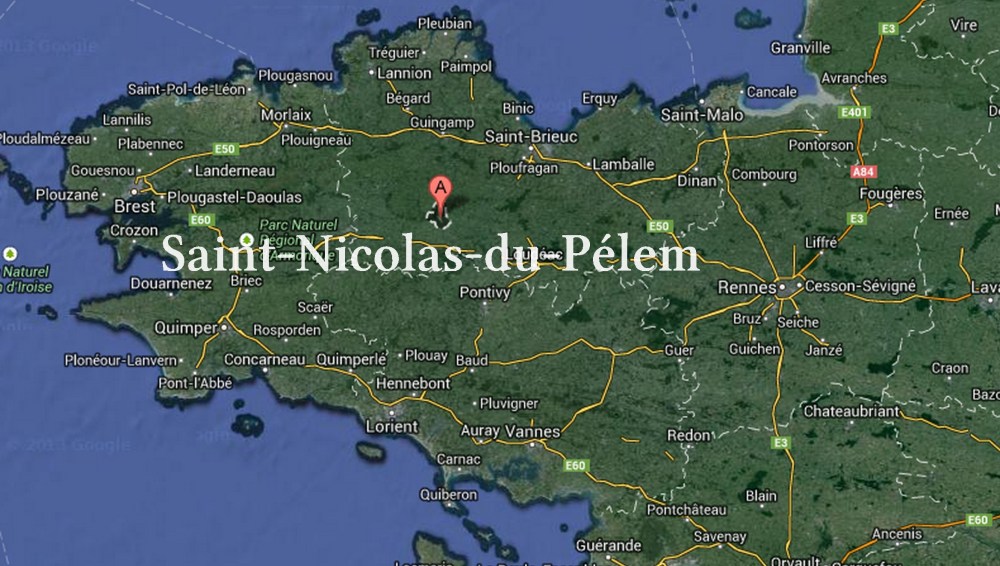
Ar c’hentan ker a antreen, oa en Sant Nikolas

I left home, it was quite early
The firtst village I got to was Sant Nikolas

Ar c’hentan ker a antreen, oa en Sant Nikolas
Na disdostit d’ar c’houvi, dindan an doen mein glas

The firtst village I got to was Sant Nikolas
Approaching to the halls, under their slates roof

Na pa oamp erru enan, ni oa digemeret
Gant paotred al livitenn, o pe an tokou trouset

When we got there we were welcomed
By guys with hoods and bicornes

Kalonad am me boe bet / E soñjal barzh un devez
Me partias d’eus ar gêr / Kalonad am me boe bet

My heart was full of sorrow / Thinking about that day
I left home / My heart was full of sorrow 

A pa oa lanset an ordr, astenet an drapo
Na da gentan ‘vit koumans tennan ‘reas ar maeriou

And when the order was given and the flag unfurled
Mayors where to first to pick up the tickets (*)

Ha goude e teue war-lerc’h tro ar baotred yaouank
Ha peb hini a denne der ma hae deus a renk

And right after them, the young ones, 
Each was picking up a ticket as his turn came

Benn pa oa erru ma renk evit tennan ar bilhed
Ma c’hamarad ‚denne unneg, me a denne douzeg

When it came to me to pick up one, 
My friend picked up eleven, and I did twelve (**)

Ma c’hamarad ‚denne unneg me a denne douzeg
Soudarded an assurans, partiet e zo ret

My friend picked up eleven, and I did twelve
We were insured to become soldiers, and would have to leave
saint nikolas

A French translation >here<

(*) at that time (probably around Napoleon III wars, end of XIX century), not every young man would go to serve the army, the ones who would have to go were “drawn” among all young men from the same village

(**) we’ve heard the the meaning of this particular sentence could be that being from lower extraction, these two young man and their families had received money in order to pick up more than one ticket – picking up the ones from luckier ones who would so avoid for sure going to the military service.

Notes: As usual, it’s a personal translation, with no attempt to translate the poetic style, it might not be fully accurate, the purpose is more to give an idea about what it is about.

§ Simone
astrakan breton world music on facebook

Album Songs and Lyrics

1932


1 Comment

[ lyrics, translation & facts for the 5th song from our album >here< ]

1932 as said in the fist sentences of this song is the year it was composed in, but it is also the year 1929’s economical crisis started to really affect remote places like Brittany.

The first tune from the song is a strange rhythm march that we heard from an old singer in Saint Nicodème, Central Brittany, around 2005. You can hear a sample we tape-recorded at that time – bare with the sound quality !

The lyrics were totally different, and funny actually. Our interpretation, because of the lyrics we used sounds totally different :


Music & Lyrics: traditional

Instruments: acoustic guitar

Rythme : 1st part is a march, 2nd is a gavotte rhythm

Me ho ped kozh ha yaouank deuet de selou kanañ
Ur resit kalet meurbet kompozet ar bloaz-mañ
Na vid donet da rimañ ne ‘m eus ket a dalant

I‘m asking you old and young people, come over to listen singing
To a hard story composed this year
I’m not very good at rhyming 

Nor for writting have I had any teaching

Kenneubeut evit skrivañ ‘m eus ket a zeskamant
Met evit reiñ deoc’h da gromprenn trubulhioù ma spered
Ma ya d’ober ma bosubl ‘vit bezhañ komprenet

Nor for writing have I had any teaching
But to lead you to understand what’s bothering my mind
I’ll do my best to be understood 

Dre un devezh a viz Mae e bloazh 32
An amzer a zo kalet, trist a oe ma c’halon
Pa sellan a peb tu ne gavan ‘med hirvoud

One day of may in the year 32
The times were hard, and my heart was sad
Wherever I’m looking around, I only find whimper

Nag an amzer tremenet na n’hon ket ‘vit tapout
Un dra sur, ‘baoe ar brezel, gwelet ‘m’eump bloavezhioù
Nag a laré toud an dud oe moaien da vevo

I know we can’t get back to the past 
But one thing is for sure, since last war [1914-18] we have passed a couple of [difficult] years 
And people were saying it was possible to make a living

Breman ‘zo kalz a dud ‘n eus poan kavet bara
Trist a vez d’ar vugale, kalet d’an tad, d’ar vamm,
Lakaat aneze da gousket ma n’eunt ket bet o c’hoan

Now for many people bread is hard to find, 
It’s sad for the children, and hard for their mum and dad,
When they send them to bed without having eaten

Deus beurzh al labourerien, ne glevamp ‘met klemmoù
Trubuilh, hirnez hag anken e pevar c’horn ar vro

From workers I only hear claims, 
Anxiety and distress from every corner of the country

Ar gomersanted vihan a lare ivez d’o zro
Gwerz a-walc’h a reomp hom zraoù, nemet piv a bevo

Merchants are also saying 
They’re selling, but they’re not enough people still alive

An eost kozh zo koñsomet kasimant holl dija
Ha n’emaomp ket erru c’hoazh nemet hanter ar bloazh

Last harvest are almost already gone
And we’re not yet at half of the year

Ma zastumfomp ket muioc’h barzh a bloavezh a ren
Koulz ar mestr vel’d ar mevel halfe kavet anken

If you don’t harvest more next year
Gentelmen as much as employess will suffer 

Bevañ gant neubeut arc’hant, un dra sur, n’eo ket brav
Nemet gwasoc’h a vez c’hoazh gant neubet a vara

Living without much money isn’t easy for sure, 
But without bread it’s even worse

Pa vez voted ar budjet ‘vez kavet dañ e blaz
Komjoù ar bankeoù pe d’ar industriel braz

When the budget is made, you’ll find there 
Bankers and big industrials’ words. 

This is as usual a personal translation, with emphasis on the meaning than on the exact-correct-official translation

§ Simone

Musicians' Diary

Some more pictures…


As a band, you never get enough [nice] pictures… and we took a chance to shoot a couple more while in Brittany 2 weeks ago. The shooting place is located is in our village Plougras, in an abandoned settlement, one of the buildings hosting the ghost of an old (bad & terrific) local Lord. A local pub is also opened there during the week-ends.

This slideshow requires JavaScript.

It seems that we most definitely get back to that place when we need pictures or videos, the rainy road on the “Kan Al Lagouterion” video was indeed the road between our house and this hamlet!

Our inspiration came from this kind of pictures, from wood workers in Central Brittany…

Picture source: http://www.goudal.net/~afe/sabotier.html
Picture source: http://drebeta.wordpress.com/2007/09/30/metiers-dantan-2/

And also…

Martha “Calamity” Jane Canary 1852-1903

More on Calamity Jane >here<

Album Songs and Lyrics

Mouezhioù


[ lyrics, translation & facts for the 7th song from our album >here< ]

We’ve played this song for many years, in fest-noz (breton balrooms). The dance itself is called kas a-barh, and it has origins in the south of Brittany (in the Vannes area). The rhythm is similar to many traditional dances from various places in Europe and in the Balkans.

Traditionally in that area of Brittany, the assembly will repeat the lyrics after the leader while dancing. Our way to add extra voices however is more influenced by the time we recorded it, in Shiroka Laka, a small mountain village from the Bulgarian Rodopi Mountains. During our breaks we used to watch Folk TV. The result then of course doesn’t sound Bulgarian at all, maybe more Albanian?

.

Because of these voices, we named  the song “mouezhioù” which means “voices”. Indeed, most of Breton songs, unlike Irish ones, don’t have any official title, we tend to refer to them by the beginning of the first verse, this one being referred to as “pa garche ma mamm”

.

Music & Lyrics: traditional

Instruments : guitar, darbuka

Rythme : kas a-barh dance.

.

Pa garche ma mamm ha ma zad / Ma’m behe bet ur chansig vat

Ma’m behe bet ur chansig vat / Ma’m behe mab un avokat

Ma’m behe mab un avokat / Breman m’eus bet un astralhuiad

Breman m’eus bet un astralhuiad / Na oar na devoam nag arad

Na oar na devoam nag arad / Med konduin e c’har a c’huitellad

Med konduin e c’har a c’huitellad / Monet d’en davarn mintin mat

Ha leun an ti a vugale / Pevar ar bank pemb e gwele

Pevar ar bank pemb e gwele / C’hoaz a vo c’hoaz ma vez danvez

C’hoaz a vo c’hoaz ma vez danvez / Ya ma bez bolontez Doue

Ya ma bez bolontez Doue / Bolontez an dud gwech a vez

   .

If my mother and father had wanted to / I would have been more chanceful

I would have been more chanceful / I had married a lawyer

I had married a lawyer / Now I’m with a drunkard

Now I’m with a drunkard / He doesn’t know how to plow a field

He doesn’t know how to plow a field / But he drives his wagon and whistles

But he drives his wagon and whistles / And goes to the pub early in the morning

And the house is full of kids / Four on the bench and five more on the bed

Four on the bench and five more on the bed /  And there will be more if there is willingness

And there will be more if there is willingness / Or if it’s God’s will

Or if it’s God’s will / And also people’s will sometimes

   .

Notes: As usual, it’s a personal translation, with no attempt to translate the poetic style, it might not be fully accurate, the purpose is more to give an idea about what it is.

Astrakan world music album on band camp

Musicians' Diary

No, I’m not a bass player !


A recurring problem for me in Istanbul is when I need to buy new strings for my folk guitar. In Brittany, most guitar players that play Breton music commonly use hard strings (usually Martin medium) whereas in Istanbul you can almost only find Light strings, despite of the large amount of music shops available. Therefore, I usually have to buy my strings from Brittany or from the web.

Playing hard strings has various consequences :

  • First of all, such hard strings can make guitar playing be very painful for your fingers.
  • The guitar itself has to be strong enough to stand resulting strains.

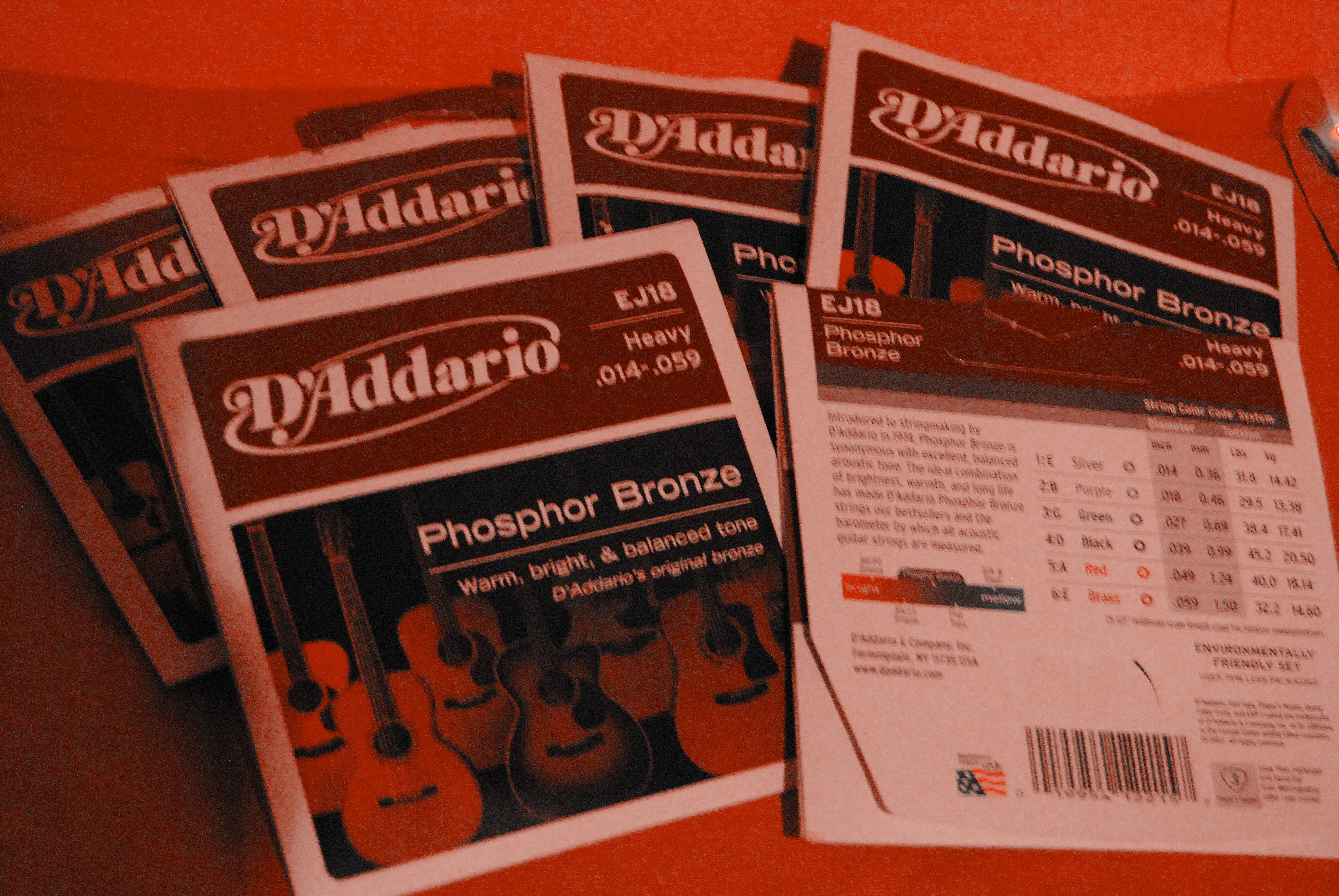
But look, this is what I have found last week in a Breton music shop :

Guitar-Strings-01
My new guitar strings !

Yes this is even stronger than Medium strings (gauges are between 0.13 and 0.56), these are HEAVY strings, yes (gauges range from 0.14 up to 0.59) !

You may say, “this starts to sound like bass guitar strings !”. Indeed, I used to play with a combination of guitar and bass strings (using a bass string as lowest D, but this is now over !

Guitar-String-Bass
The blue thing is a piece of pen cap that I cut in order to enable my guitar to stand the bass string that you can see on the picture !

Let’s go and try my new HEAVY strings, my fingers and my guitar have to get used to 🙂 !

§ Yann

astrakan breton world music on facebook